
By Homayoun Pourshirazi, Select Dental Implants
A bright, white smile is often seen as a sign of health and confidence. Professional teeth whitening provides a dependable way to improve smile aesthetics. This article reviews professional whitening methods, outlines the benefits and safety considerations, and explains how whitening can be combined with other cosmetic dental procedures. With a clear understanding of available options, patients can make informed choices about achieving their desired results. We will examine common whitening agents, compare in‑office and at‑home approaches, and summarise typical costs and financing options.
What Is Professional Teeth Whitening and How Does It Work?
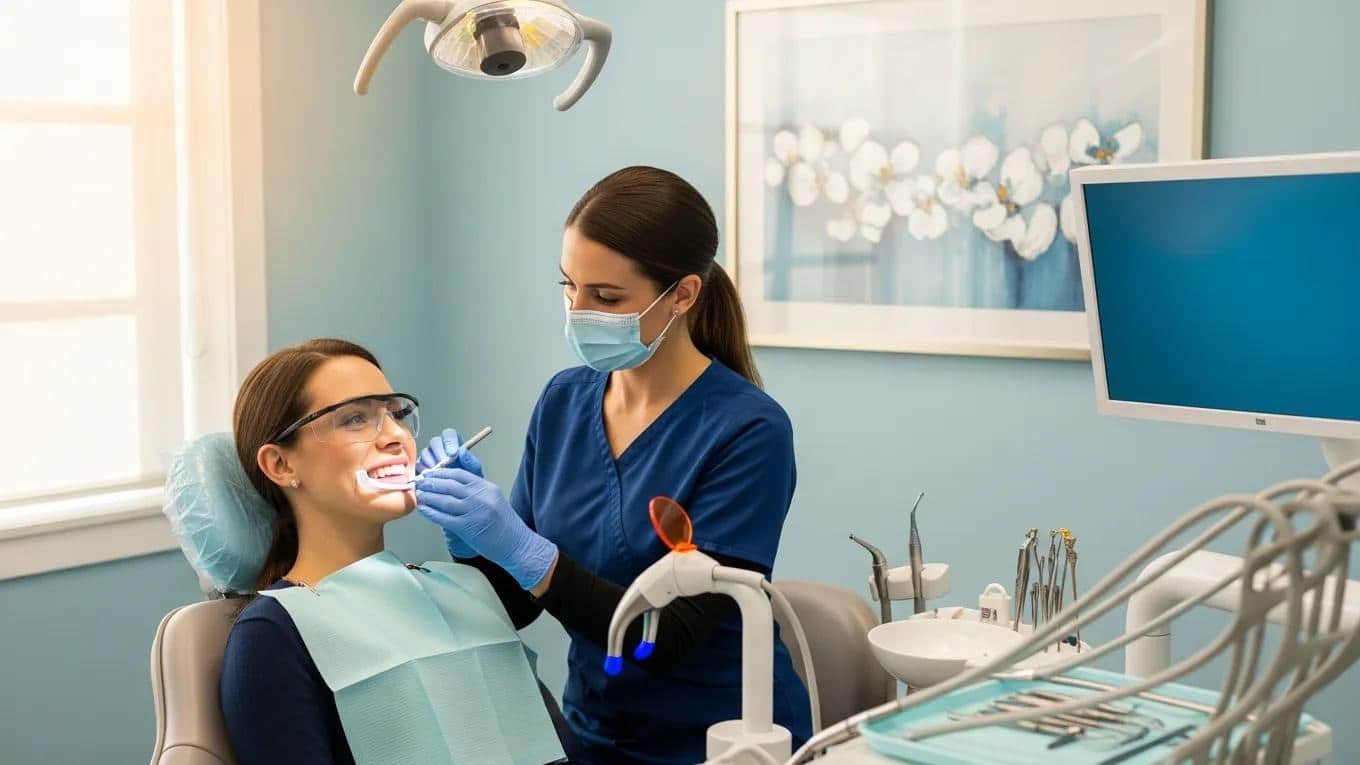
Professional teeth whitening is a cosmetic dental procedure that lightens tooth colour and removes stains. The treatment uses whitening agents that penetrate enamel to break down discolouration. The most widely used agents are hydrogen peroxide and carbamide peroxide, which target stains from food, beverages, and tobacco. The outcome is a brighter, more youthful smile that can improve appearance and self‑confidence.
Which Whitening Agents Are Used in Professional Treatments?
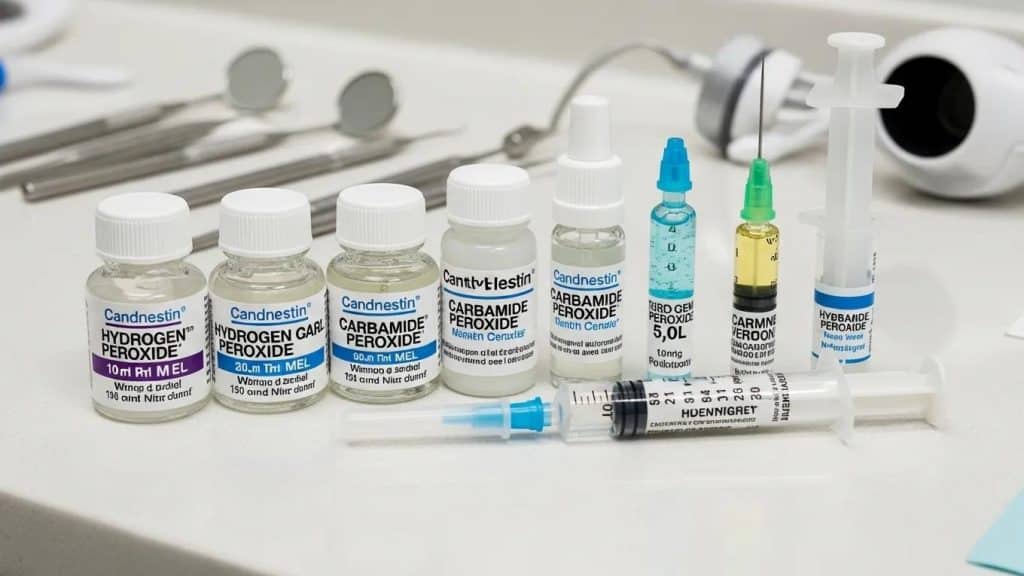
The success of professional whitening depends largely on the active agents in the formulation. Common agents include:
- Hydrogen Peroxide: A powerful bleaching agent that can lighten teeth by several shades. It works by breaking down stains on the enamel and dentin.
- Carbamide Peroxide: A compound that breaks down into hydrogen peroxide when applied. It is often used in at-home whitening kits and is effective for gradual whitening.
- Other Agents: Some treatments may include additional ingredients to enhance the whitening effect or reduce sensitivity.
These formulations are developed to balance effectiveness with safety, making professional whitening a reliable option for patients seeking a brighter smile.
Understanding Hydrogen and Carbamide Peroxide in Professional Teeth Whitening
Hydrogen and carbamide peroxides have been used successfully for many years. Over the past century the dental bleaching technique has evolved, and by the turn of the millennium the approach gained recognition from international regulatory agencies. It is essential that dentists manage these peroxides with appropriate expertise, since satisfactory results depend on correct diagnosis of stains, proper management of tooth substrates (enamel and dentin) and control of sensitivity.
How Do In-Office and Take-Home Whitening Methods Compare?
Patients typically choose between in‑office treatments and take‑home kits. Each approach has distinct advantages:
- In-Office Whitening: This method provides immediate results, often lightening teeth by several shades in just one session. It is performed by dental professionals who can ensure safety and effectiveness.
- Take-Home Kits: These kits allow patients to whiten their teeth at their convenience. While results may take longer to achieve, they can be more cost-effective and are often less intense than in-office treatments.
Both approaches can achieve meaningful improvement; the preferred option depends on clinical needs, desired speed of results, and budget.
What Are the Benefits and Safety Considerations of Professional Teeth Whitening?
Professional teeth whitening delivers aesthetic and psychological benefits beyond cosmetic improvement. A brighter smile can increase self‑confidence and positively influence social and professional interactions. At the same time, patients should consider safety and possible side effects when planning treatment.
How Does Teeth Whitening Improve Smile Aesthetics and Confidence?
A whiter smile often enhances a patient’s sense of attractiveness and self‑assurance. Many individuals report greater confidence after treatment, which can improve social interactions and self‑image. The aesthetic gains from whitening may also complement broader cosmetic plans; for comprehensive smile enhancements, patients should consider consulting about cosmetic dentistry services.
Balancing Risks and Benefits in Cosmetic Dentistry: The Role of Teeth Whitening
Less invasive procedures, such as bleaching alone or combined with direct resin composite bonding, can meet many patients’ expectations while being more conservative for the teeth and offering better long‑term options. Several UK specialist societies — including the British Endodontic Society, British Society for Restorative Dentistry, Restorative Dentistry UK, Dental Trauma UK, British Society of Prosthodontics and the British Society of Paediatric Dentistry — advise that elective cosmetic treatments can benefit patients, but that aggressive techniques may cause significant harm to previously healthy teeth.
What Are the Common Side Effects and How Are They Managed?
Professional teeth whitening is generally safe, but some patients may experience tooth sensitivity or gum irritation. These effects are usually temporary and can be managed through the following measures:
- Desensitizing Toothpaste: Using toothpaste formulated for sensitive teeth can reduce discomfort.
- Adjusting Treatment Frequency: Spacing out whitening sessions can help limit sensitivity.
- Consultation with a Dentist: Discussing concerns with your dentist allows for personalised strategies and safer outcomes.
Select Dental Implants provides dental implants and cosmetic dentistry services, including professional teeth whitening. Their patient‑centred approach and modern technology aim to deliver reliable, comfortable results.
How Is Professional Teeth Whitening Integrated with Dental Implants and Cosmetic Dentistry?
Combining teeth whitening with other cosmetic treatments, such as dental implants, supports a coordinated approach to smile enhancement. This integration enables a comprehensive plan that addresses both function and aesthetics to achieve a harmonious result.
Why Combine Teeth Whitening with Dental Implant Procedures?
Pairing teeth whitening with dental implant treatment can improve overall aesthetics by ensuring implants match the shade of surrounding teeth. This coordination helps implants blend naturally and supports patient confidence in the final result. Understanding the dental implants process is important when planning a seamless smile enhancement.
What Personalized Treatment Plans Enhance Overall Smile Enhancement?
Effective cosmetic treatment relies on a personalised treatment plan. A dentist will consider the patient’s dental history, current oral health, and aesthetic goals to design a tailored plan that may include whitening, implants, or other procedures to achieve the intended outcome.
What Are the Costs and Financing Options for Professional Teeth Whitening?
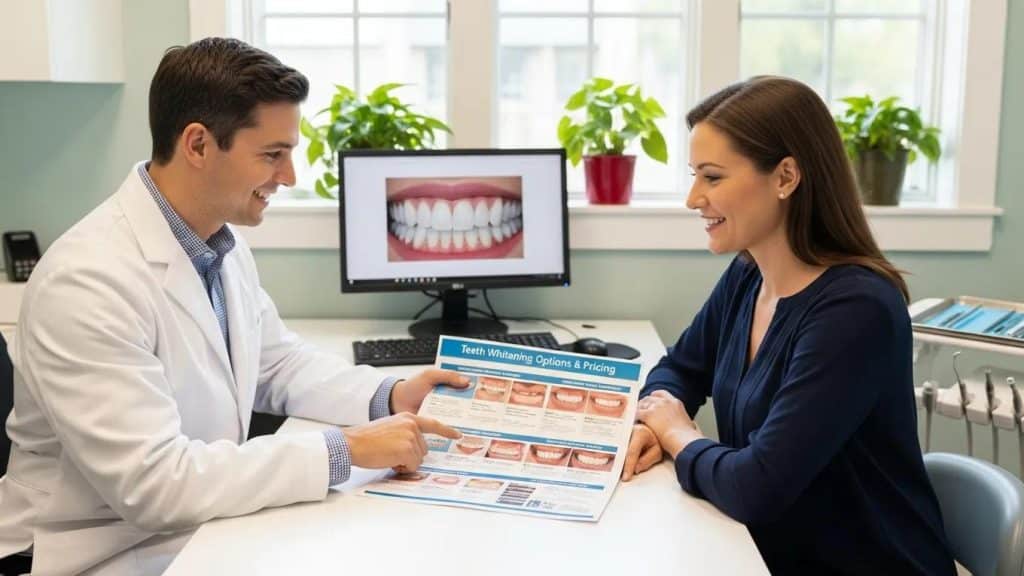
Knowing the costs of professional whitening helps patients plan treatment. Prices vary by method and by provider experience.
How Does Teeth Whitening Cost Vary by Method and Provider?
Costs differ between in‑office treatments and take‑home kits. On average, in‑office whitening ranges from $300 to $1,500, while take‑home kits typically cost between $100 and $600. The final price reflects treatment complexity and the provider’s expertise. For full service details, see Select Dental Implants.
What Financing Plans and Insurance Options Are Available?
Many practices offer financing plans to spread treatment costs. In some cases, insurance may cover part of treatment if it is deemed medically necessary. Patients should discuss available financing and coverage during their consultation to identify an appropriate payment plan.
How Should Patients Prepare for and Care for Their Teeth Whitening Treatment?
Appropriate preparation and aftercare are key to achieving and maintaining whitening results. Patients should follow professional guidance before and after treatment to optimise outcomes.
What Pre-Treatment Guidelines Ensure Optimal Results?
- Consult with a Dentist: A professional evaluation can determine the most suitable whitening method.
- Avoid Staining Foods and Beverages: Reducing consumption of coffee, tea, and red wine before treatment can enhance results.
- Maintain Good Oral Hygiene: Regular brushing and flossing help prepare the teeth for whitening.
What Aftercare Practices Maintain Whitening Effects and Oral Health?
- Avoid Staining Substances: Limiting intake of foods and drinks that can stain teeth helps prolong whitening effects.
- Practice Good Oral Hygiene: Regular brushing and flossing are essential for maintaining oral health and the brightness of the smile.
- Schedule Regular Dental Check-Ups: Routine visits to the dentist can help monitor oral health and address any concerns promptly.
What Are Common Patient Questions About Professional Teeth Whitening?
Patients commonly ask about result longevity and safety. Clear answers help reduce concerns and support informed choices about whitening treatments.
How Long Do Whitening Results Typically Last?
Duration varies with habits and the chosen method. In‑office whitening commonly lasts from six months to three years, while take‑home approaches generally need more frequent touch‑ups. Diet, oral hygiene and lifestyle habits significantly influence how long results persist.
Is Professional Teeth Whitening Safe for Sensitive Teeth?
Professional whitening can be safe for patients with sensitivity when appropriate precautions are taken. Dentists can recommend specific products and techniques to minimise discomfort, allowing patients to achieve a brighter smile without compromising oral health.
Frequently Asked Questions
What Factors Influence the Effectiveness of Teeth Whitening Treatments?
The effectiveness of whitening depends on factors such as the type of stains, the concentration of the whitening agent, and the duration of exposure. Extrinsic stains from food and drink tend to respond better than intrinsic stains from ageing or trauma. Individual dental factors, including enamel thickness and sensitivity, also affect outcomes. Consultation with a dental professional helps determine the most appropriate approach for optimal results.
Can Teeth Whitening Treatments Cause Damage to Enamel?
When performed under professional supervision, whitening is generally safe and does not damage enamel. However, excessive use or improper application of whitening agents can cause enamel erosion or increased sensitivity. It is important to follow your dentist’s instructions and attend regular check‑ups to monitor enamel health.
How Can I Maintain My Whitened Smile After Treatment?
Maintain a bright smile by practising good oral hygiene, including regular brushing and flossing. Limiting staining foods and drinks—such as coffee, tea and red wine—will help prolong results. Using a straw for beverages and rinsing with water after consuming staining substances can reduce tooth contact. Regular professional cleanings and occasional touch‑up treatments will support long‑term results.
Are There Any Alternatives to Professional Teeth Whitening?
Alternatives include over‑the‑counter whitening strips, gels and toothpastes. These products usually contain lower concentrations of whitening agents and may take longer to show results. Some patients try natural remedies, such as baking soda or activated charcoal, though these methods typically offer less predictable outcomes. A dental consultation can identify the best option for your needs.
What Should I Expect During a Professional Teeth Whitening Appointment?
A professional appointment begins with a clinical assessment to determine the suitable whitening method. The dentist will protect your gums, apply the whitening agent, and may use a light to enhance activation depending on the technique. The procedure commonly takes about one to two hours, and you will receive aftercare instructions to preserve results.
Is Teeth Whitening Safe for Everyone?
While whitening is appropriate for many patients, it is not suitable for everyone. Individuals with severe gum disease, untreated cavities, or known allergies to whitening agents should consult their dentist before treatment. Pregnant or nursing women are usually advised to defer whitening until after childbirth or breastfeeding. A dental professional can provide personalised guidance based on your health and dental history.
Conclusion
Professional teeth whitening can improve smile aesthetics and increase self‑confidence when performed as part of a considered treatment plan. With options such as in‑office procedures and take‑home kits, patients may select the approach that best fits their lifestyle and budget. Understanding benefits, risks and aftercare supports informed decisions in cosmetic dentistry. Learn how our expert team can support your smile goals by exploring our comprehensive dental services.