

By Homayoun Pourshirazi, Select Dental Implants
Tooth veneers are a widely used cosmetic dentistry option that improve the appearance of your smile. These thin shells—commonly porcelain or composite resin—are bonded to the front surfaces of teeth to address discoloration, chips, and gaps. Knowing how long veneers typically last, how to care for them, and what the procedure involves will help you protect your investment and achieve a lasting result. This article reviews veneer longevity, essential maintenance, the main material types, and the placement process so you can make informed choices about your dental aesthetics.
How Long Do Tooth Veneers Last? Factors Influencing Veneer Lifespan
The life expectancy of veneers depends on material selection and patient habits. Porcelain veneers generally last longer than composite options—commonly around 10 to 15 years for porcelain and about 5 to 7 years for composite. Oral hygiene, diet, and lifestyle factors will also affect how well veneers maintain their appearance and function.
What Are the Average Durability Periods for Porcelain and Composite Veneers?
Porcelain veneers are valued for strength and stain resistance and typically endure 10 to 15 years with appropriate care. Composite veneers are less costly and require less tooth reduction but usually have a shorter service life of approximately 5 to 7 years. The choice should reflect clinical goals, aesthetic expectations, and budget.
Clinical research reports consistently high survival rates for ceramic laminate veneers, supporting their long-term effectiveness in suitable cases.
Clinical Longevity of Ceramic Laminate Veneers
This study evaluated the survival rate of ceramic laminate veneers bonded to teeth with and without existing composite restorations (ECR). Overall, five absolute failures were encountered (fractures:n= 3; chipping:n= 1; debonding:n= 1), resulting in a survival rate of 94.6 % (Kaplan–Meier). Survival rates of the laminates bonded to teeth without (96 %) and with ECR (93.5 %) did not show significant differences (p> 0.05).
Clinical longevity of ceramic laminate veneers bonded to teeth with and without existing composite restorations up to 40 months, MMM Gresnigt, 2013
Which Patient and Lifestyle Factors Affect Veneer Longevity?
Patient behaviours and oral conditions materially influence veneer lifespan. Tooth grinding, biting hard objects, and using teeth as tools increase the risk of fractures or chipping. Consistent brushing, flossing, and routine dental examinations help preserve veneer integrity and allow early management of emerging issues.
What Are the Best Practices for Tooth Veneer Maintenance and Care?
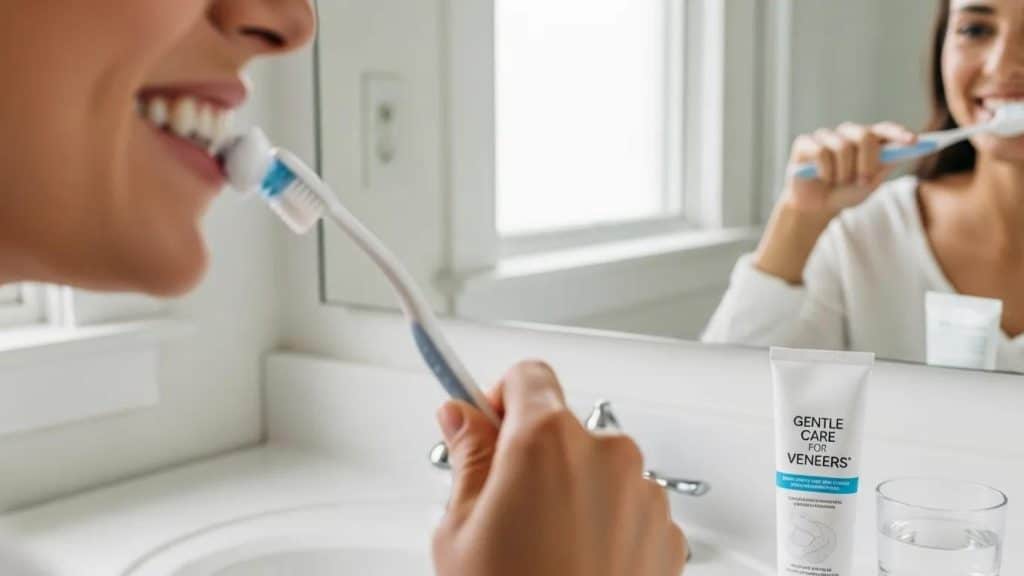
Careful maintenance extends the service life and appearance of veneers. Adopting a few practical habits will help keep veneers functional and attractive. For a full range of clinical services, consider the services offered at Select Dental Implants.
How Can You Properly Clean and Protect Your Dental Veneers?
Use a soft-bristled brush and non-abrasive toothpaste to clean veneers. Brush twice daily and floss once daily to reduce plaque accumulation. An alcohol-free mouthwash may be used to support oral health without compromising veneer surfaces.
What Foods and Habits Should Be Avoided to Preserve Veneer Integrity?
Avoid biting hard foods—such as nuts or hard candy—that can chip or crack veneers. Limit consumption of staining beverages like coffee, tea, and red wine, particularly for composite veneers. Smoking can cause discoloration and should be avoided to preserve cosmetic results.
What Types of Tooth Veneers Are Available and How Do They Differ in Durability?
Veneer options mainly include porcelain and composite materials, each with distinct properties. Understanding these differences supports a treatment selection aligned with aesthetic aims, functional needs, and expected longevity.
What Are the Benefits and Limitations of Porcelain Versus Composite Veneers?
Porcelain veneers provide superior durability and a lifelike appearance; they resist staining and tend to last longer than composite veneers. They are typically more costly and require greater enamel preparation. Composite veneers are more economical and less invasive but may demand more frequent maintenance and are more prone to staining.
Evidence also indicates favorable survival rates for resin composite laminate veneers in appropriate clinical scenarios.
Survival Rates of Resin Composite Laminate Veneers
Resin composite laminate veneers demonstrated moderately high survival rates for the entire sample and the direct laminate veneer group demonstrated higher survival rates than the
Survival and complication rates of resin composite laminate veneers: A systematic review and meta-analysis, TW Lim, 2023
How Does Veneer Material Choice Affect Maintenance and Replacement Time?
Material selection determines maintenance intensity and replacement frequency. Porcelain generally requires fewer replacements due to greater durability; composite restorations may need renewed attention if they stain or suffer damage. Understanding these differences aids in planning future care and costs.
What Can Patients Expect During and After the Tooth Veneer Procedure?
The veneer treatment pathway includes assessment, preparation, and final bonding. Clear expectations reduce anxiety and support a successful clinical outcome.
What Are the Steps Involved in Veneer Placement by Dental Professionals?
Placement begins with a consultation in which the dentist evaluates oral health and reviews aesthetic objectives. A small amount of enamel is removed to accommodate the veneers. Impressions are taken to fabricate custom restorations, which are then bonded with a dental adhesive. Most cases are completed over two to three visits.
How Should Patients Care for Their Smile Immediately After Veneer Placement?
Following placement, avoid hard or sticky foods for at least 24 hours to allow the adhesive to set. Continue regular oral hygiene and attend follow-up appointments so the dentist can confirm fit and address any concerns.
When and How Should Tooth Veneers Be Repaired or Replaced?
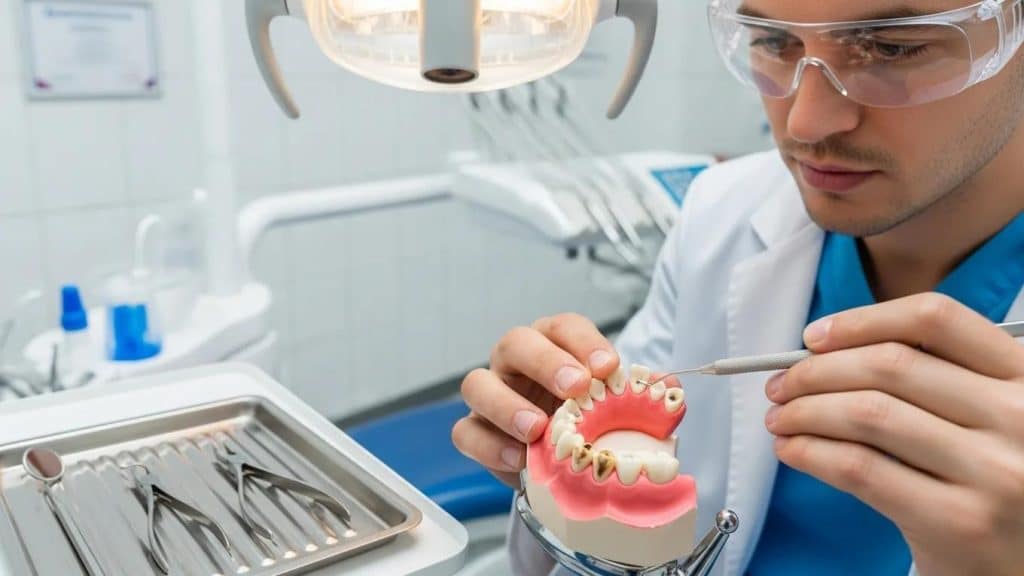
Even with careful care, veneers may eventually require repair or replacement due to wear or accidental damage. Early recognition of problems helps preserve appearance and function.
What Are the Signs That Indicate Veneer Damage or Wear?
Visible chips, cracks, and persistent colour changes are common indicators of veneer damage. Increased sensitivity in restored teeth can also signal an underlying issue. If these signs occur, consult a dental professional for an assessment and recommended treatment.
What Repair and Replacement Options Are Available at Select Dental Implants?
At Select Dental Implants, the clinical team evaluates veneer condition and advises on repair or replacement options. Depending on the situation, minor repairs such as bonding may be suitable, while more extensive damage may require full replacement. For patients considering permanent alternatives, information on dental implants is available. The practice focuses on restoring both function and appearance.
Although some studies vary in design and duration, the general consensus in the literature is that porcelain laminate veneers deliver predictable, successful outcomes for many patients.
Porcelain Laminate Veneer Survival Rates: A Review
The present literature indicates an increased heterogeneity among research study designs. Researchers should aim for homogeneous study designs that can be included in systematic reviews and meta-analyses. A conclusive estimation of the longevity of PLVS beyond 20 years is lacking. The availability of evidence in the current literature is limited in terms of sample size and duration of follow-up. However, the majority of studies have concluded that PLVs have high-success rates and predictable patient outcomes.
Survival rates for porcelain laminate veneers: a systematic review, 2021
Frequently Asked Questions
Can tooth veneers be whitened like natural teeth?
No. Veneer materials—both porcelain and composite—do not respond to conventional whitening treatments. If veneers become discolored over time, discuss replacement or professional cleaning with your dentist. Maintaining diligent oral hygiene and moderating intake of staining foods and beverages will help preserve their appearance.
Are there any risks associated with getting tooth veneers?
Yes. Risks include increased tooth sensitivity, potential alteration of underlying tooth structure, and the chance of veneers becoming loose or chipping. Discuss these risks with your dentist during the consultation to set realistic expectations and to learn how to minimise complications.
How much do tooth veneers typically cost?
Costs vary according to material, case complexity, and clinician experience. As a general range, porcelain veneers commonly cost between $925 and $2,500 per tooth, while composite veneers typically range from $250 to $1,500 per tooth. Consult your dental provider for a personalised estimate.
How can I tell if my veneers need to be replaced?
Look for persistent chips, cracks, or discoloration that will not respond to cleaning; these are indicators that replacement may be necessary. New or increasing tooth sensitivity can also signal problems. Regular dental reviews are important for determining the appropriate timing for replacement.
What should I do if my veneer chips or cracks?
If a veneer chips or cracks, contact your dentist promptly. Depending on the extent of damage, the dentist may recommend repair with bonding or replacement of the veneer. Timely attention helps prevent further deterioration and preserves aesthetics.
Can I get veneers if I have dental issues like cavities or gum disease?
Generally, active dental disease such as untreated cavities or periodontal disease should be addressed prior to cosmetic treatment. Your dentist will evaluate and treat any underlying conditions to ensure a stable foundation for veneers.
How do I choose the right dentist for veneer placement?
Select a clinician based on experience, qualifications, and patient outcomes. Seek a dentist who specialises in cosmetic dentistry and can provide a portfolio of prior cases. A consultation will also help you assess their clinical approach and whether you are comfortable with their proposed treatment plan.
Conclusion
Tooth veneers can provide a durable and aesthetically pleasing solution when selected and maintained appropriately. Understanding lifespan, care requirements, and material differences enables you to make informed decisions about treatment. By following recommended care and consulting with qualified dental professionals, you can support long-term function and appearance of your veneers. Learn more about available dental services and the next steps toward achieving your ideal smile.