
By Homayoun Pourshirazi, Select Dental Implants
Cosmetic dental veneers are a widely used option for patients who wish to restore the appearance of damaged teeth. These thin shells, commonly fabricated from porcelain or composite resin, cover the tooth front to improve shape, colour, and overall appearance. This guide explains the main veneer types, the clinical steps involved, and the benefits they deliver. Damaged teeth can reduce confidence and affect social comfort; veneers offer a restorative option that can help patients regain self-esteem and a natural-looking smile. We describe the purpose of veneers, the best materials, the step-by-step clinical pathway, comparisons with dental implants, and considerations such as cost, longevity, benefits, and potential risks.
What Are Cosmetic Dental Veneers and How Do They Restore Damaged Teeth?
Cosmetic dental veneers are custom-made shells bonded to the front surfaces of teeth to improve appearance. They address concerns such as discolouration, chips, gaps, and minor misalignment. When appropriately planned and placed, veneers can produce a natural aesthetic result and substantially enhance a patient’s smile. The preparation is minimally invasive in most cases, which makes veneers an attractive option for suitable candidates seeking cosmetic improvement.
Definition and Purpose of Cosmetic Veneers
Veneers provide a versatile solution for a range of aesthetic dental issues. They are designed to replicate the translucency and texture of natural enamel, allowing them to blend with adjacent teeth. The primary objectives are to enhance smile aesthetics and to protect compromised enamel on the treated teeth. By covering damaged or discoloured surfaces, veneers can restore appearance and contribute to overall oral wellness. For patients considering a comprehensive smile makeover, reviewing available cosmetic dentistry services is a sensible first step.
Which Veneer Materials Are Best for Damaged Teeth? Porcelain vs Composite
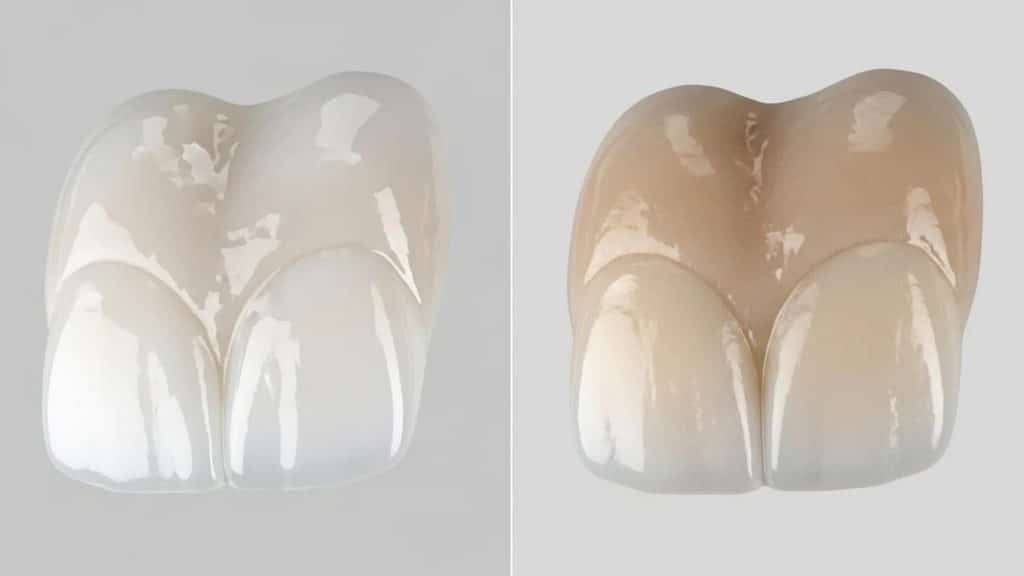
Choosing the appropriate veneer material is a key decision. The two principal options are porcelain and composite resin, each with distinct advantages and limitations. Understanding these differences enables patients to select the option that best matches their aesthetic goals, budget, and oral habits.
Advantages and Durability of Porcelain Veneers
Porcelain veneers are valued for their longevity and lifelike appearance. They resist staining better than composite and, with proper oral hygiene, can remain functional for many years. The ceramic closely resembles natural enamel, which supports a seamless aesthetic integration. Porcelain also tends to be less prone to chipping or fracturing than composite, making it a durable choice for long-term cosmetic enhancement.
Benefits and Limitations of Composite Veneers
Composite veneers provide a more economical alternative and often can be completed in a single clinical visit. This reduces treatment time and can be more convenient for patients. However, composite materials are generally less durable than porcelain and can stain more readily over time. Patients should weigh cost, expected lifespan, and maintenance requirements when considering composite veneers.
What Is the Step-by-Step Procedure for Getting Cosmetic Veneers?
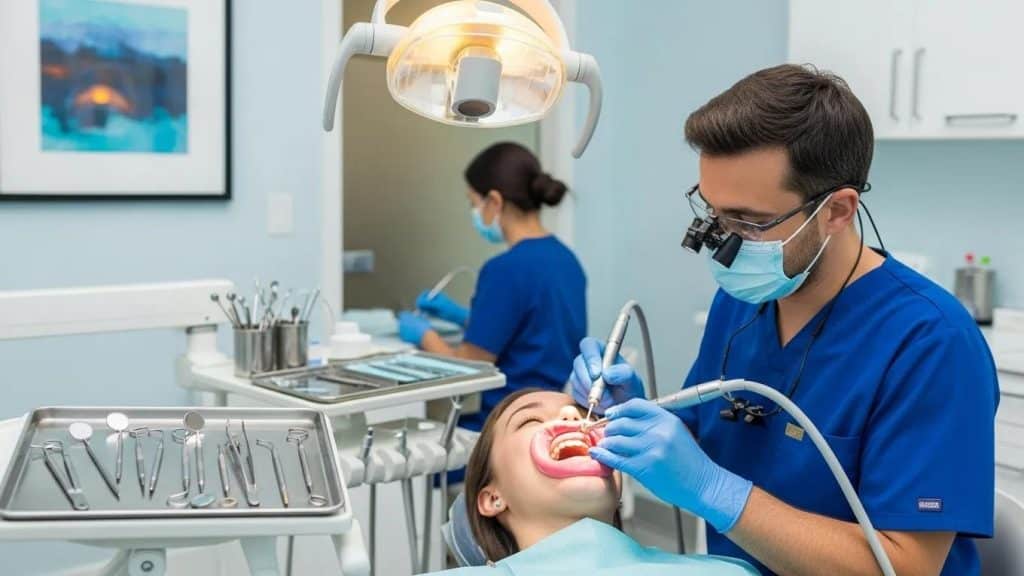
The clinical pathway for veneers typically comprises several defined steps to ensure a personalised and precise outcome. Familiarity with these stages helps patients feel informed and reassured about the course of treatment.
Initial Consultation and Personalized Treatment Planning
The process begins with an initial consultation with a dental professional. During this visit the dentist will evaluate oral health, discuss aesthetic objectives, and develop a personalised treatment plan. Diagnostic records such as X-rays and dental impressions or scans are often taken to ensure the veneers will fit accurately and harmonise with the patient’s bite.
Tooth Preparation and Veneer Placement Process
After planning, the teeth are prepared for veneer placement. This usually involves removing a conservative amount of enamel to create space for the restoration. Impressions are then taken and the veneers are custom-fabricated in a dental laboratory. At placement, the dentist bonds each veneer with a specialised dental adhesive, verifying fit, shade, and occlusion to achieve a secure and natural-looking result.
How Do Cosmetic Veneers Compare to Dental Implants for Damaged Teeth?
While both veneers and dental implants can improve dental appearance, they address different clinical problems. For patients with missing teeth or extensive structural loss, dental implants provide a permanent restorative option. Selecting the appropriate treatment depends on the underlying condition of the teeth and the patient’s functional and aesthetic needs.
Key Differences Between Veneers and Implants
Veneers are intended to enhance the appearance of existing teeth. Dental implants replace missing teeth and restore function by means of a surgically placed titanium post in the jawbone that acts as a prosthetic root. Veneers are a predominantly non-surgical cosmetic treatment and do not substitute for a missing tooth, whereas implants are a surgical restorative solution.
When to Choose Veneers Over Implants
Patients with structurally sound teeth that are discoloured or cosmetically damaged commonly benefit from veneers, which offer a relatively quick aesthetic improvement. Conversely, implants are indicated for those with missing teeth or severe structural problems that cannot be corrected with veneers. A consultation with a dental professional will clarify which option aligns with the patient’s clinical situation and goals.
What Are the Cost Considerations and Longevity of Cosmetic Veneers?
Cost and expected lifespan are important factors when considering veneers. Prices vary according to the chosen material, the complexity of treatment, and the clinician’s experience. Understanding these variables helps patients plan effectively for treatment.
Typical Porcelain Veneers Cost and Financing Options
Porcelain veneers generally range from $1,000 to $2,500 per tooth, with variation related to clinician expertise and geographic location. Many practices provide financing plans to spread the cost of cosmetic treatment. Patients should review payment options and any potential insurance considerations during the initial consultation to clarify the financial commitment.
Maintenance Tips to Maximize Veneer Lifespan
To prolong the life of veneers, maintain diligent oral hygiene with regular brushing and flossing. Avoid biting hard objects and consider a protective mouthguard for contact sports or if you grind your teeth. Routine dental examinations are essential to monitor the veneers and the supporting tooth structure. For cases that may require additional surgical intervention, consult resources on oral surgery procedures.
What Are the Benefits and Risks of Cosmetic Veneers for Damaged Teeth?
Veneers offer clear aesthetic and functional benefits but also carry potential risks. Careful evaluation and treatment by an experienced clinician help patients weigh benefits against limitations and make an informed choice.
Improved Aesthetics, Function, and Confidence
Veneers can markedly improve tooth colour, shape, and perceived alignment, producing a more attractive smile and often enhancing patient confidence. Many patients report higher satisfaction with their appearance following veneer treatment.
Potential Risks and How Expert Care Minimizes Them
Risks associated with veneers include increased tooth sensitivity and possible compromise to the underlying tooth if not planned correctly. Selecting an experienced dental professional and adhering to recommended maintenance protocols reduce these risks and support long-term success.
| Veneer Type | Cost Range | Longevity | Maintenance |
|---|---|---|---|
| Porcelain | $1,000 – $2,500 | 10-15 years | Regular dental check-ups, good oral hygiene |
| Composite | $250 – $1,500 | 5-7 years | Avoid hard foods, regular cleaning |
This table summarises the cost and longevity differences between porcelain and composite veneers to aid comparison for patients evaluating their options.
In conclusion, cosmetic veneers are an effective option for restoring damaged teeth and enhancing smiles when selected and placed appropriately. Understanding material choices, clinical steps, maintenance requirements, and potential risks enables patients to make evidence-based decisions about their care. For those considering cosmetic dentistry, Select Dental Implants provides specialised services in implants and cosmetic treatments, offering personalised care aligned to individual needs.
Frequently Asked Questions
1. How long does the process of getting cosmetic veneers take?
The process commonly spans two to three dental visits. The first visit is an initial consultation where the dentist assesses oral health and discusses your goals. The second visit typically covers tooth preparation and impressions. The final visit is for bonding the custom-made veneers. Overall timing depends on laboratory fabrication and can take several weeks.
2. Are cosmetic veneers reversible?
Cosmetic veneers are generally considered a permanent solution. Preparation usually requires removal of a small amount of enamel to achieve a correct fit. Since lost enamel cannot be restored, the procedure is effectively irreversible. Discuss expectations and alternatives with your dentist before proceeding.
3. Can anyone get cosmetic veneers?
Many patients are suitable candidates, but some conditions affect eligibility. Significant tooth decay, active gum disease, or insufficient enamel may need treatment before veneers are considered. Patients who grind their teeth may require alternative or adjunctive solutions. A comprehensive evaluation by a dental professional will determine suitability.
4. How do I care for my cosmetic veneers?
Care for veneers mirrors care for natural teeth. Maintain regular brushing and flossing and use a non-abrasive toothpaste to protect the veneer surface. Avoid biting hard objects and wear a mouthguard for sports. Regular dental check-ups are important to monitor veneer integrity and underlying tooth health.
5. What should I expect in terms of sensitivity after getting veneers?
Some patients experience temporary sensitivity to hot or cold following veneer placement. This typically diminishes over days to weeks as the teeth adapt. If sensitivity persists or worsens, consult your dentist for assessment and appropriate management.
6. Are there any dietary restrictions after getting veneers?
After placement, avoid hard, sticky, or very chewy foods for a few days to allow the bonding to stabilise. Items such as hard candy, ice, and very tough meats can risk damaging veneers. Once the initial period has passed, most patients return to their normal diet while exercising caution with certain foods.
7. How do I know if I need to replace my veneers?
Veneers typically last between five and fifteen years, depending on material and care. Indicators for replacement include visible wear, chips, cracks, or colour changes. Persistent sensitivity or discomfort may also signal a need for assessment. Regular dental reviews will identify when replacement is warranted.
Conclusion
Cosmetic veneers offer a reliable way to restore smiles and improve patient confidence when selected and delivered by experienced clinicians. By understanding the materials, clinical process, expected outcomes, and maintenance requirements, you can make an informed decision that supports long-term oral health and aesthetics. If you are considering veneers, consult a dental professional to review options tailored to your needs and to develop a personalised treatment plan.